How to Choose the Best Event Production Company (Compared)
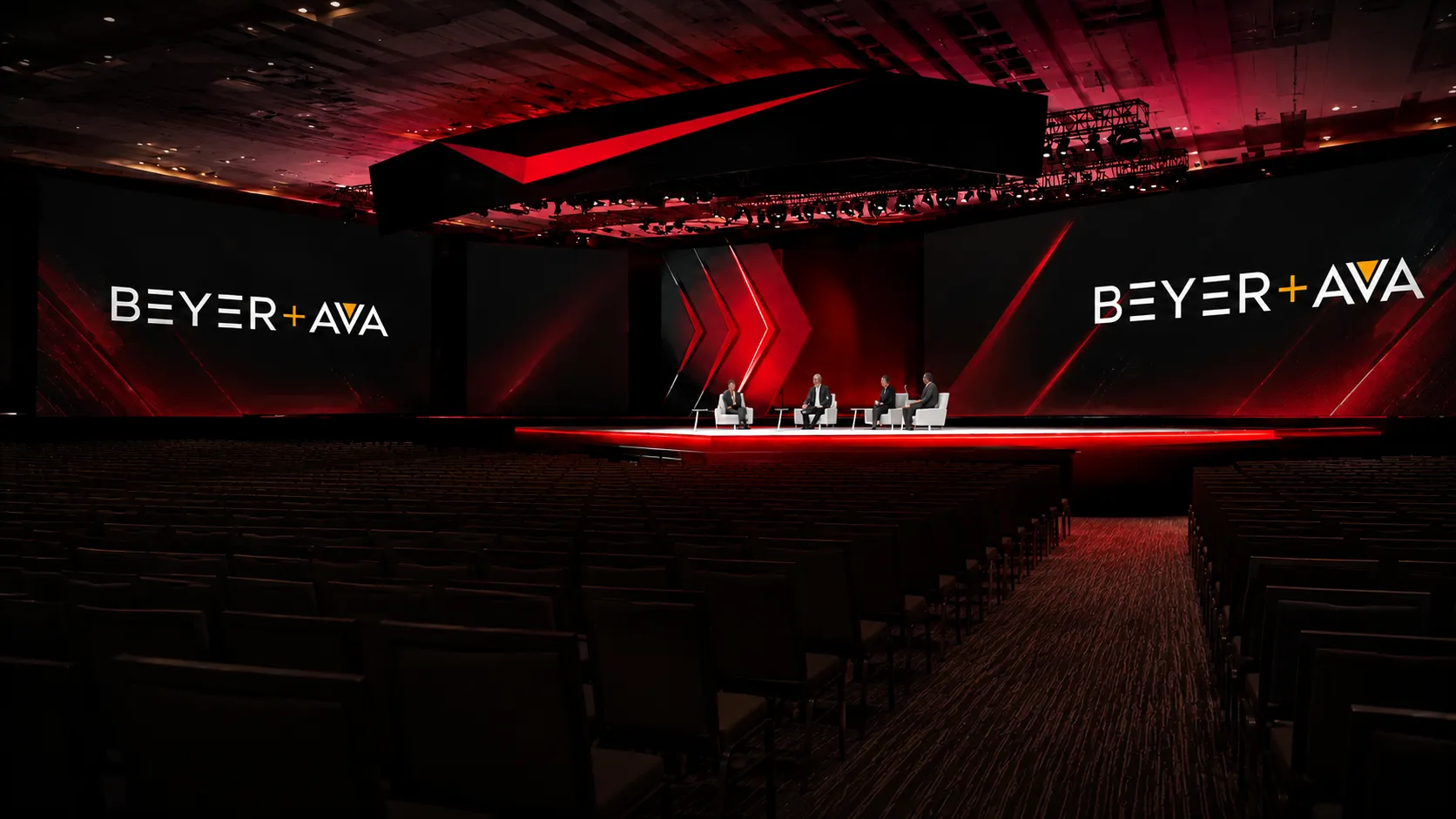
Choosing an event production company is not simply a matter of comparing equipment lists or selecting the lowest quote. For a convention or large-scale corporate event, your production partner influences the attendee experience, speaker confidence, schedule, budget, and overall level of risk.
The right company provides more than audio, lighting, video, and staging. It provides coordination, continuity, and accountability from the first planning conversation through the final strike.
This guide compares the key factors to evaluate when selecting an event production company for your next convention, corporate meeting, or large-scale production.
The Short Answer
The best event production company is the one that combines:
- Relevant experience with events like yours
- Strong technical production capabilities
- A dedicated and responsive team
- Clear, itemized pricing
- Proactive planning and communication
- Reliable staffing and onsite support
- Practical contingency planning
- One accountable partner across the production
A polished portfolio matters. So does the equipment. But the most important comparison is how each company plans, communicates, and responds when conditions change.
Start With Your Event Requirements
Before requesting proposals, define the production scope. Each company should be quoting against the same requirements.
Document the following:
- Event dates and location
- Expected attendance
- General session and breakout room requirements
- Number of production days
- Stage, set, and scenic design needs
- Audio, video, and lighting requirements
- LED wall or projection needs
- Recording, IMAG, or streaming requirements
- Entertainment programming needs
- Load-in, rehearsal, and strike schedules
- Venue restrictions and preferred vendors
- Budget range and approval process
A detailed brief makes proposals easier to compare. It also shows which companies are thinking beyond a basic equipment rental.
BEYER + AVA supports convention AV production, staffing, lighting, video, and entertainment programming for corporate events and conventions nationwide.
Event Production Company Types Compared
Not every production company offers the same scope. Understanding the difference helps you choose the right operating model.
| Production Partner | Best For | Potential Limitation |
|---|---|---|
| AV Rental Company | Basic equipment needs with client-managed execution | May not include full production design or onsite management |
| Technical Staffing Company | Events with existing equipment and a separate production plan | May leave equipment, design, and coordination to other vendors |
| Entertainment Agency | Bands, DJs, specialty acts, and performance logistics | Usually does not manage the full technical production |
| Full-Service Production Company | Complex conventions, corporate events, and multi-room programs | Requires careful scope and budget alignment |
For high-stakes events, a full-service production company can reduce coordination friction. Instead of managing separate vendors for audio, video, lighting, staffing, and entertainment, you have one partner responsible for integrating the production.
That does not mean every event requires a full-service approach. It means your vendor model should match the complexity of your event.

1. Compare Relevant Experience
Years in business are useful, but relevant experience is more important.
A company may have produced hundreds of events, but you need to know whether it has managed productions similar to yours. Ask about:
- Corporate conventions
- General sessions
- Multi-room breakout programs
- Executive meetings
- Trade shows and exhibit floors
- Multi-day events
- Outdoor productions
- Hybrid or streamed programs
- Events in similar venues
Request case studies, production photos, or videos that show comparable scale and complexity. Look for evidence of thoughtful room design, clean technical execution, clear sightlines, and professional onsite staffing.
The company should understand the operational details behind your format. A general session requires different planning than a reception, product launch, or entertainment program.
2. Evaluate Technical Depth
Professional equipment is only one part of technical capability. The more important question is whether the team knows how to design, integrate, operate, and troubleshoot the system.
Your evaluation should cover four core areas:
Visuals
Ask about projection, LED walls, playback systems, image magnification, content management, and presentation support. Visual systems should be sized for the room and designed for clear viewing from every major seating area.
Audio
Clear audio is essential for executive presentations, panels, awards, and live entertainment. Ask how the company approaches room acoustics, microphone selection, speaker placement, mixing, monitoring, and backup equipment.
Lighting
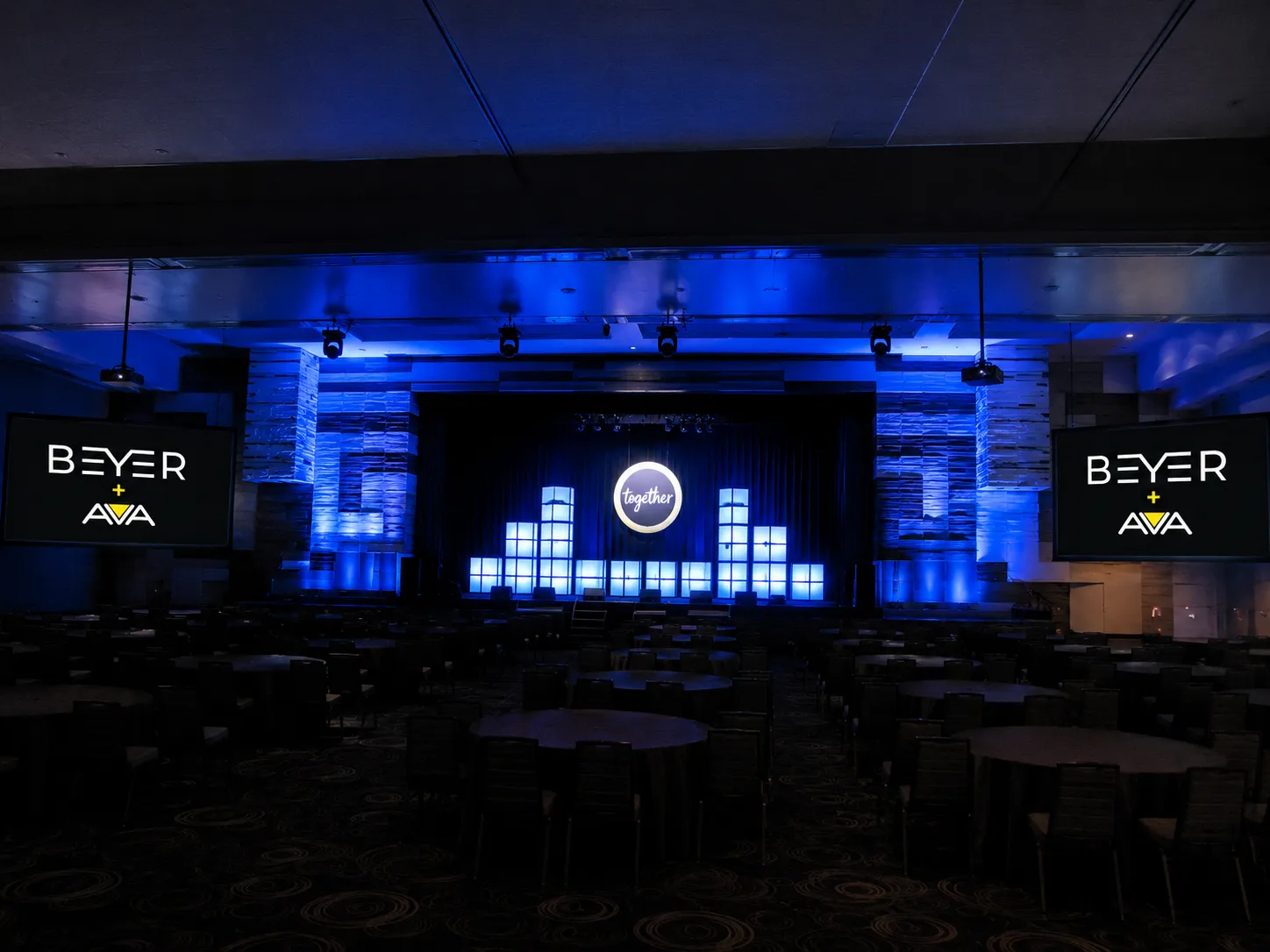
Lighting should support the agenda and the environment. The design may need to shift from a focused general session to an immersive reception or branded entertainment experience.
Production Design
Production design connects the technical system to the room. It includes stage layout, scenic elements, screen placement, lighting position, branding, and audience sightlines.
A qualified production partner should be able to explain these decisions in plain language. Technical terminology should support a clear outcome: better visibility, stronger communication, smoother transitions, and a more consistent attendee experience.

3. Meet the Team That Will Run Your Event
The sales experience is not the same as the production experience. Ask who will be responsible for your event after the proposal is approved.
Confirm:
- Your primary project manager
- The onsite production lead
- Audio, video, and lighting leads
- Show caller or technical director
- Staffing levels for each room
- Backup coverage for key personnel
- Who has authority to make decisions onsite
A dedicated team creates continuity. It reduces the need to repeat information and gives the production team a clearer understanding of your priorities.
The strongest partners bring the same level of professionalism to planning, setup, rehearsal, show execution, and strike. They arrive prepared, communicate clearly, and understand how their work affects the rest of the event.
4. Assess Communication and Planning
Production problems often begin as communication problems.
During the proposal process, pay attention to how the company works. Does it respond promptly? Does it ask useful questions? Does it document decisions? Does it identify potential issues before they become urgent?
A mature production process should include:
- Discovery and requirements review
- Venue and technical walkthrough
- Preliminary production design
- Budget development and scope alignment
- Equipment and staffing plans
- Content and presentation coordination
- Run-of-show development
- Rehearsal and technical checks
- Live execution and onsite support
- Strike and post-event review
Proactive communication is especially important when there are multiple stakeholders, speakers, vendors, venues, or event rooms involved.
You should not have to chase your production partner for basic updates. The right team keeps your requirements visible and flags trade-offs early.
5. Compare Proposals by Scope, Not Just Price
The lowest quote is not always the most cost-efficient option. An incomplete proposal can exclude essential labor, setup time, backup systems, or technical management.
Compare proposals line by line. Review:
- Equipment
- Labor
- Setup and strike days
- Transportation
- Technical management
- Rehearsals
- Content support
- Additional room coverage
- Overtime policies
- Venue fees
- Optional upgrades
- Change-order terms
Ask each company to identify inclusions and exclusions clearly. If one quote is significantly lower, determine what is missing before making a decision.
Cost efficiency comes from making the right production decisions early. It may mean selecting the most effective display solution for the room, balancing equipment with staffing, or avoiding unnecessary layers of vendor coordination.
A clear proposal protects your budget and gives your internal stakeholders confidence.
6. Ask About Risk Management
Live events require contingency planning. Equipment can fail. Schedules can change. Speakers can arrive late. Content can be revised minutes before a session.
Ask direct questions:
- What backup equipment is onsite?
- How are presentations tested?
- What happens if a microphone or playback system fails?
- Who handles last-minute content changes?
- How are speaker transitions managed?
- What is the escalation process during the event?
- How does the team coordinate with the venue?
- What happens if the schedule changes?
Reliable production companies do not promise that nothing will ever change. They build systems that allow the team to respond quickly and discreetly.
The goal is controlled execution. Attendees should experience a seamless program while the production team manages issues in the background.
7. Look for a Long-Term Production Partner
For organizations that produce recurring conferences or annual meetings, consistency has measurable value.
A dedicated team learns your brand, preferences, content workflow, approval process, and internal expectations. Each event becomes more efficient because the production partner is not starting from zero.
Long-term continuity can improve:
- Planning speed
- Budget forecasting
- Vendor coordination
- Technical consistency
- Staffing decisions
- Communication
- Post-event improvement
A dependable partner should not simply execute the same event repeatedly. It should help you identify what can be improved while preserving the elements that already work.
BEYER + AVA brings dedicated, consistent, and responsive staff to conferences and events, with a focus on seamless execution, cost efficiency, and proactive communication.
A Practical Vendor Scorecard
Use a simple one-to-five score for each shortlisted company.
| Evaluation Area | Weight |
|---|---|
| Relevant corporate event experience | 20% |
| Technical capability | 20% |
| Team structure and staffing | 15% |
| Communication and planning | 15% |
| Risk management | 10% |
| Budget transparency | 10% |
| Long-term fit | 10% |
The scorecard should support your decision, not replace professional judgment. References, proposed crew, responsiveness, and cultural fit still matter.
The best choice is usually the company that offers the strongest balance of technical competence, coordination, responsiveness, and cost control.
Final Checklist Before You Decide
Before signing, confirm that:
- The scope is detailed and documented
- The quote identifies inclusions and exclusions
- Your key onsite team members are named
- Staffing levels match the event schedule
- Setup, rehearsal, and strike requirements are included
- Backup plans have been discussed
- Venue coordination responsibilities are clear
- Change orders and overtime are defined
- References are available
- One person is accountable for the production
Choosing an event production company should make your event easier to manage, not add another layer of complexity.
The right partner brings one coordinated team across visuals, audio, lighting, production design, staffing, and entertainment. It communicates early, manages details carefully, and remains responsive when requirements change.
If you are planning a convention or corporate event, start a conversation with BEYER + AVA about your production requirements. Our team supports events in Las Vegas and nationwide with dedicated technical production and entertainment support.